
"mineral flavor coffee"
4000 article(s) found

Eight major coffee producing areas in Guatemala introduce the treatment methods of fine coffee.
Eight major coffee producing areas in Guatemala. Acatenango Valley: the Acatenango Valley is 2000 meters (6500 feet) above sea level, with dense shade and unique ecology. Nearby Fuego volcanoes continue to erupt, making its coarse, sandy soil rich in a variety of minerals. Temperate sea breezes from the Pacific and seasons
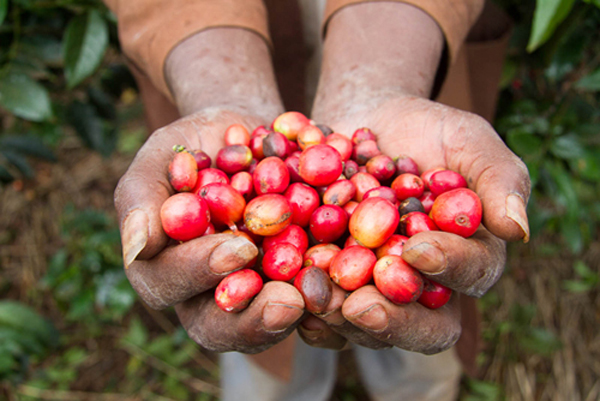
A detailed introduction to the characteristics of coffee from eight major producing areas of Guatemala
Eight major coffee producing areas in Guatemala. Acatenango Valley: the Acatenango Valley is 2000 meters (6500 feet) above sea level, with dense shade and unique ecology. Nearby Fuego volcanoes continue to erupt, making its coarse, sandy soil rich in a variety of minerals. Temperate sea breezes from the Pacific and seasonal

Discussion on Coffee Water quality: effect of different Water on Coffee extraction
Professional coffee knowledge exchange more coffee bean information Please pay attention to the coffee workshop (Wechat official account cafe_style) TDS and PPM why the water is different water usually not only water, but also contains "total dissolved solids" (TDS), that is, small minerals and organic matter, these substances through the soil, water purification plants or water supply system, and finally remain in the water, affecting the finished coffee. But it...
General knowledge of Fine Coffee beans characteristics of Coffee in eight producing areas of Guatemala
The Ekatra Valley rises to 2000 meters (6500 feet), with dense shade and unique ecology, and the nearby Fuego volcano erupts, making its coarse, sandy soil rich in a variety of minerals. Temperate sea breezes from the Pacific and a seasonal climate allow coffee in this region to be dried by sunlight and processed according to traditional family methods that have been accumulated over the years. [characteristics]

Introduction to the flavor and taste of coffee growing environment in Ireta Manor, Panama
Panamanian land use: arable land accounts for 8.9%, permanent pastures account for 20.0%, forests and woodland account for 43.0%, others account for 28.1%; per capita arable land accounts for 0.6 acres. [2] Mineral resources Panama is rich in mineral resources, but it is not exploited much, and the scale of the mine is relatively large.

Strong aroma of Tanzanian coffee flavor taste introduction of boutique coffee in manor producing area
The topography of Tanzania is high in the northwest and low in the southeast, showing a ladder shape. The eastern coast is a lowland, the western inland plateau accounts for more than half of the total inland area, and the East African Rift Valley runs from east to west from Lake Malawi to the north and south. The Kibo peak of Mount Kilimanjaro in the northeast is 5895 meters above sea level. It is the highest peak in Africa. The eastern coastal areas of Tanzania and part of the inland lowlands have a savanna climate.

Introduction to Xuemai Manor, Flavor Manor in Bolivian Coffee producing area
Rich in mineral resources, mainly tin, antimony, tungsten, silver, zinc, lead, copper, nickel, iron, gold and so on. Mineral deposits are rich, with tin reserves of 1.15 million tons, ranking second in the world; iron reserves of 45 billion tons, second only to Brazil in Latin America; and lithium reserves of 100 million tons, ranking first in the world. [7] Oil and gas Bolivia is rich in oil and gas resources. Proven oil reserves are 929 million barrels, as of 2013

Is it good to drink beans in Linus Manor? the planting and processing of single beans in Renas Manor
Professional barista exchanges please pay attention to the coffee workshop (Wechat official account cafe_style) El Salvador Renas Manor active volcanic activity brings to the country rich in mineral volcanic ash, mainly volcanic ash in the soil, more minerals, less organic matter, therefore, in order to maintain the location and make up for the lack of organic matter, Samaritan farmers will use the processed coffee bean fruit and flesh residue

Is the Salvadoran coffee good? What are the taste and flavor characteristics of Salvadoran coffee?
Professional coffee knowledge exchange more coffee bean information please pay attention to the coffee workshop (Wechat official account cafe_style) active volcanic activity brings mineral-rich volcanic ash to the country, mainly volcanic ash in the soil, more minerals, less organic matter, therefore, in order to maintain the location and make up for the lack of organic matter, sa farmers will use the treated coffee bean pulp residue

Introduction to the Origin of Fine Coffee beans in the volcanic Coffee producing areas of Africa Bean Guatemala
1. Acatenango Valley: the Acatenango Valley is 2000 meters (6500 feet) above sea level, with dense shade and unique ecology. Nearby Fuego volcanoes continue to erupt, making its coarse, sandy soil rich in a variety of minerals. Temperate sea breezes from the Pacific and a seasonal climate make this production.

How to drink Guatemalan coffee beans with different characteristics of coffee in eight producing areas of Guatemala
The Ekatlago Valley is 2000 meters (6500 feet) above sea level, with dense shade and unique ecology. The nearby Fuego volcano erupts, making its coarse, sandy soil rich in a variety of minerals. Temperate sea breezes from the Pacific and a seasonal climate allow coffee in this region to be dried by sunlight and processed according to traditional family methods that have been accumulated over the years. [characteristics]
Characteristics and attributes of coffee from eight major producing areas of high-quality coffee beans in Guatemala
The Ekatra Valley rises to 2000 meters (6500 feet), with dense shade and unique ecology, and the nearby Fuego volcano erupts, making its coarse, sandy soil rich in a variety of minerals. Temperate sea breezes from the Pacific and a seasonal climate allow coffee in this region to be dried by sunlight and processed according to traditional family methods that have been accumulated over the years. [characteristics]
Characteristics of coffee from eight major producing areas in Guatemala Guatemala coffee beans
Eight major coffee producing areas in Guatemala. Acatenango Valley?: the Acatenango Valley valley is 2000 meters (6500 feet) above sea level, with dense shade and unique ecology. Nearby Fuego volcanoes continue to erupt, making its coarse, sandy soil rich in a variety of minerals. Temperate sea breezes from the Pacific and seasonal
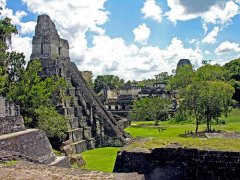
Characteristics and attributes of Coffee in eight Coffee producing areas of Guatemala in the World Coffee producing area
The Ekatlago Valley is 2000 meters (6500 feet) above sea level, with dense shade and unique ecology. The nearby Fuego volcano erupts, making its coarse, sandy soil rich in a variety of minerals. Temperate sea breezes from the Pacific and a seasonal climate allow coffee in this region to be dried by sunlight and processed according to traditional family methods that have been accumulated over the years. [characteristics]

Price of Kona Coffee beans in Hawaii introduction to the taste treatment method of flavor description in manor production
The quality of the fine Kona coffee is suitable for the right geographical location and climate. Coffee trees grow on the slopes of volcanoes, and their geographical location ensures the altitude needed for coffee to grow; the dark volcanic ash soil provides the necessary minerals for coffee. This is probably due to the fact that Kona Island is rich in volcanic black mud with moderate acidity, rich mineral content and suitable water content. Parallel

Why does coffee taste sour? How to reduce the acidity of coffee? Why is coffee sour?
Professional coffee knowledge exchange more coffee bean information Please pay attention to the coffee workshop (Wechat official account cafe_style) acidity is the key to determine the quality of coffee, acidity and acidity may be the performance of taste defects; fresh and bright are the necessary characteristics of high-quality coffee. I would like to emphasize here: acidity is not good, what we want is fresh, bright, complex sour taste, similar to

The proportion of water in a cup of coffee is about 98.5%. The water quality affects the flavor of the coffee.
According to research, the proportion of water in a cup of coffee is about 98.5% 99%, and the substance extracted from coffee accounts for only 1% 1.5%, so water is a very important factor in determining the taste of coffee. Of course, the taste of coffee is also related to many factors: raw beans, roasting and making. In fact, not all water is suitable for making coffee. When we drink mineral water and pure water,

Introduction to the flavor and taste characteristics of Tanzania boutique coffee bean Kilimanjaro coffee
Tanzania is rich in mineral resources. By 2014, the major minerals identified include gold, diamond, iron, nickel, phosphate, coal and various gemstones, ranking fifth in Africa in total. Tanzania also has huge natural gas reserves. According to official data released by Tanzania, Tanzania has proven natural gas reserves of 44 trillion cubic feet, and the total reserves are expected to be at least
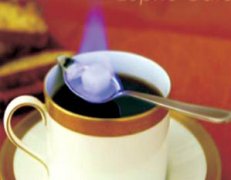
Peaceful and full-bodied coffee manor in Arusha, Tanzania, the planting market price of fine coffee bean varieties is simple.
Raw beans: raw beans are unbaked beans, which contain 11.5% fat; 11.5% moisture; 28.6% crude fiber; 4.0% minerals; 6.2% tannic acid; 1.3% caffeine; 17.0% essence; 8.1% sugar; 11.8% protein. Baked beans: baked beans containing 13.0% fat; 1.5% caffeine; 29.5% crude fiber; 2.6% moisture; 5.0% minerals
Introduction to the planting characteristics of coffee bean producing areas in Guatemala
Follow Cafe (official Wechat account vdailycom) found that the Ekatlago Valley rises 2000 meters (6500 feet) to 2000 meters (6500 feet). The shade is thick and the ecology is unique. The nearby Fuego volcano erupted, making its coarse, sandy soil rich in various minerals. The temperate sea breeze from the Pacific and the seasonal climate make this producing area